Introduction
Rome is a city you should walk. The ancient centre is small enough to cross on foot in a day, and the history is not locked in museums. It is in the streets, in broken columns beside a modern road, in a wall built two thousand years ago that still holds up a house. This guide follows a walking route through ancient Rome, from the Roman Forum to the Colosseum and into the old neighbourhoods around them. It is written for a traveller who wants to see the city the way its people saw it, on foot and at a slow pace.
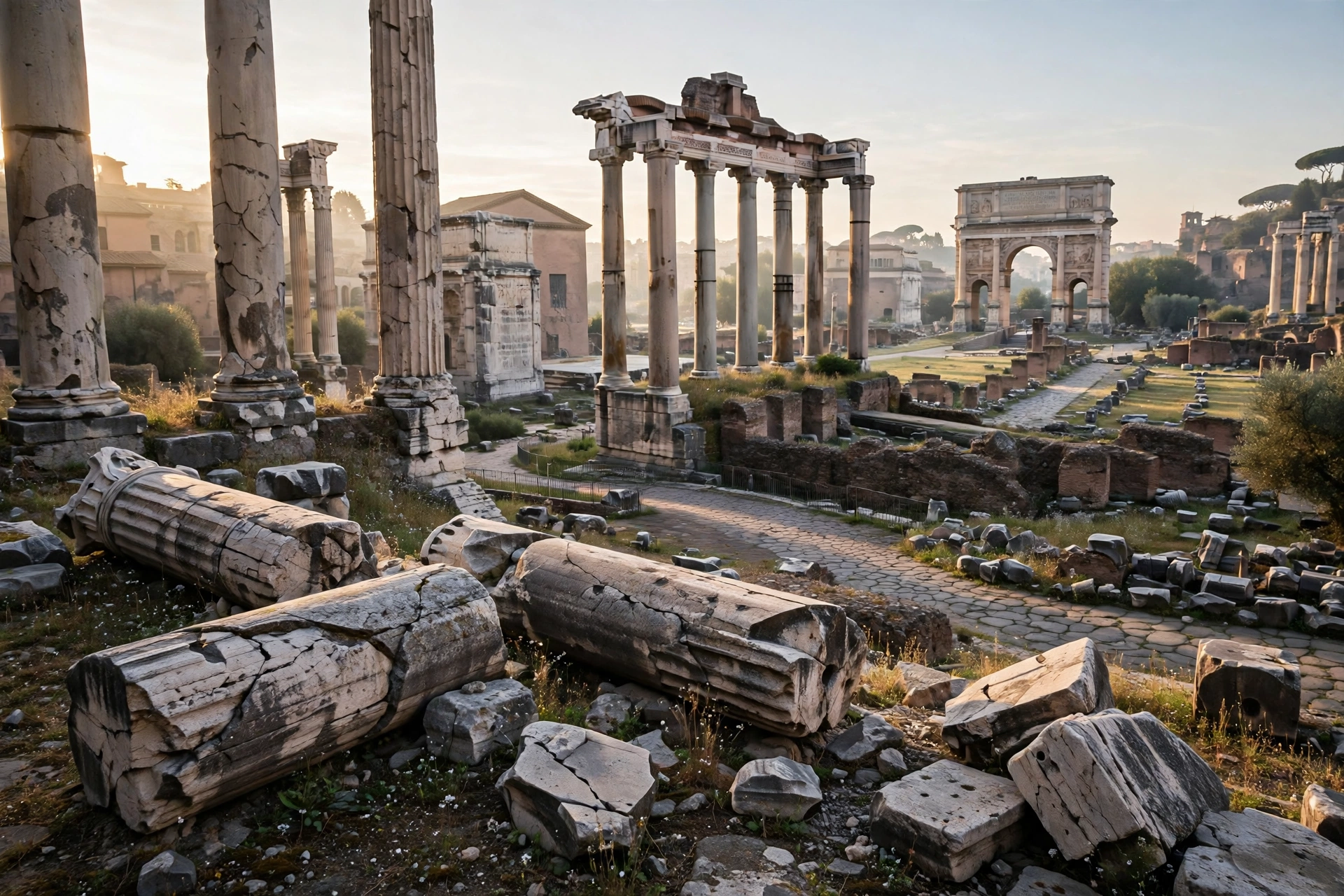
Start at the Roman Forum
Begin in the morning at the Roman Forum. This was the centre of Rome for more than a thousand years. Here the Senate met, lawyers argued cases, merchants sold goods, and crowds gathered to hear speeches. Today it is a field of ruins, but the plan of the place is still clear. You can stand on the old paving stones of the Via Sacra, the sacred road, and walk the same route that triumphant generals took after a victory. Look for the Arch of Titus, built to celebrate a victory in Jerusalem, and the Arch of Septimius Severus at the other end. Between them are the bases of temples, the remains of the Senate house, and the rostra, the platform from which speakers addressed the crowd. The Forum is best early in the morning, before the crowds arrive and while the light is low on the stones. Take your time here, because everything else in Rome grows out of this place.
The Colosseum and the amphitheatre
From the Forum, walk the short distance to the Colosseum. It is the largest amphitheatre ever built, and it still dominates the city almost two thousand years after it opened. In its time it held around fifty thousand people, who came to watch gladiator fights, wild animal hunts and public shows. The building was a feat of engineering. It had a retractable roof of cloth, numbered entrances, and a system of lifts that brought animals and fighters up from below the floor. Walk around the outside first to understand its size, then go inside and stand in the arena. From the stands you can see how the seating was arranged by rank, with the emperor’s box, the senators’ seats and the ordinary people’s places all in their proper order. The Colosseum is not only a ruin. It is a lesson in how Rome organised entertainment, power and public life in one building.
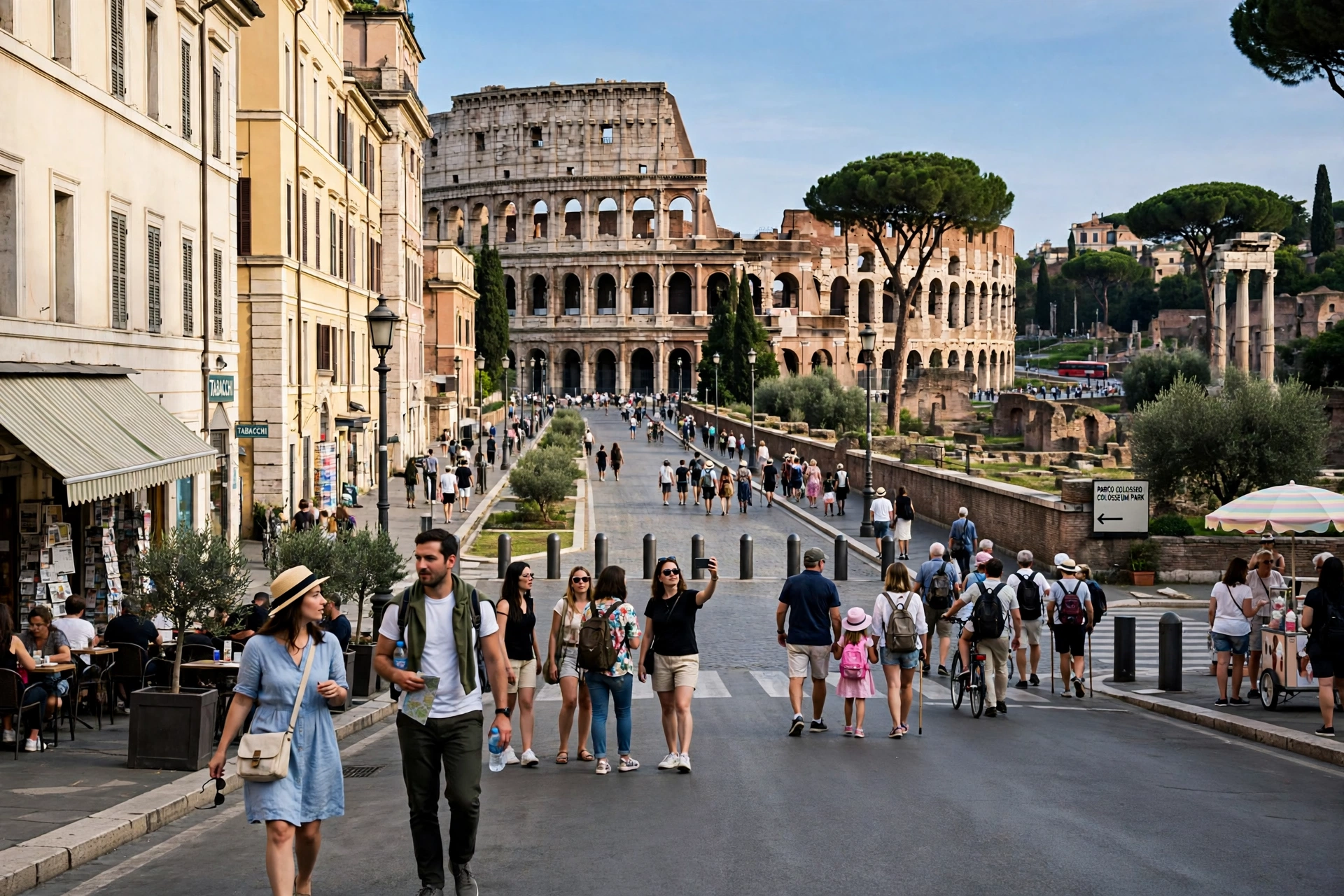
The Palatine Hill
Between the Forum and the Colosseum rises the Palatine Hill, where Rome began. According to legend, Romulus founded the city here. Later, the emperors built their palaces on this hill, and the word palace itself comes from Palatine. The hill is quieter than the Forum below, with gardens, pine trees and wide views over the city. From the top you can look down on the Forum and see the whole plan of ancient Rome laid out below you. Walk through the ruins of the imperial palaces and the gardens of the Farnese family, who turned part of the hill into a pleasure garden in the sixteenth century. The Palatine is a good place to rest in the middle of the day, away from the crowds, and to think about how a small hilltop settlement grew into an empire.
Old neighbourhoods: Trastevere and the Jewish Ghetto
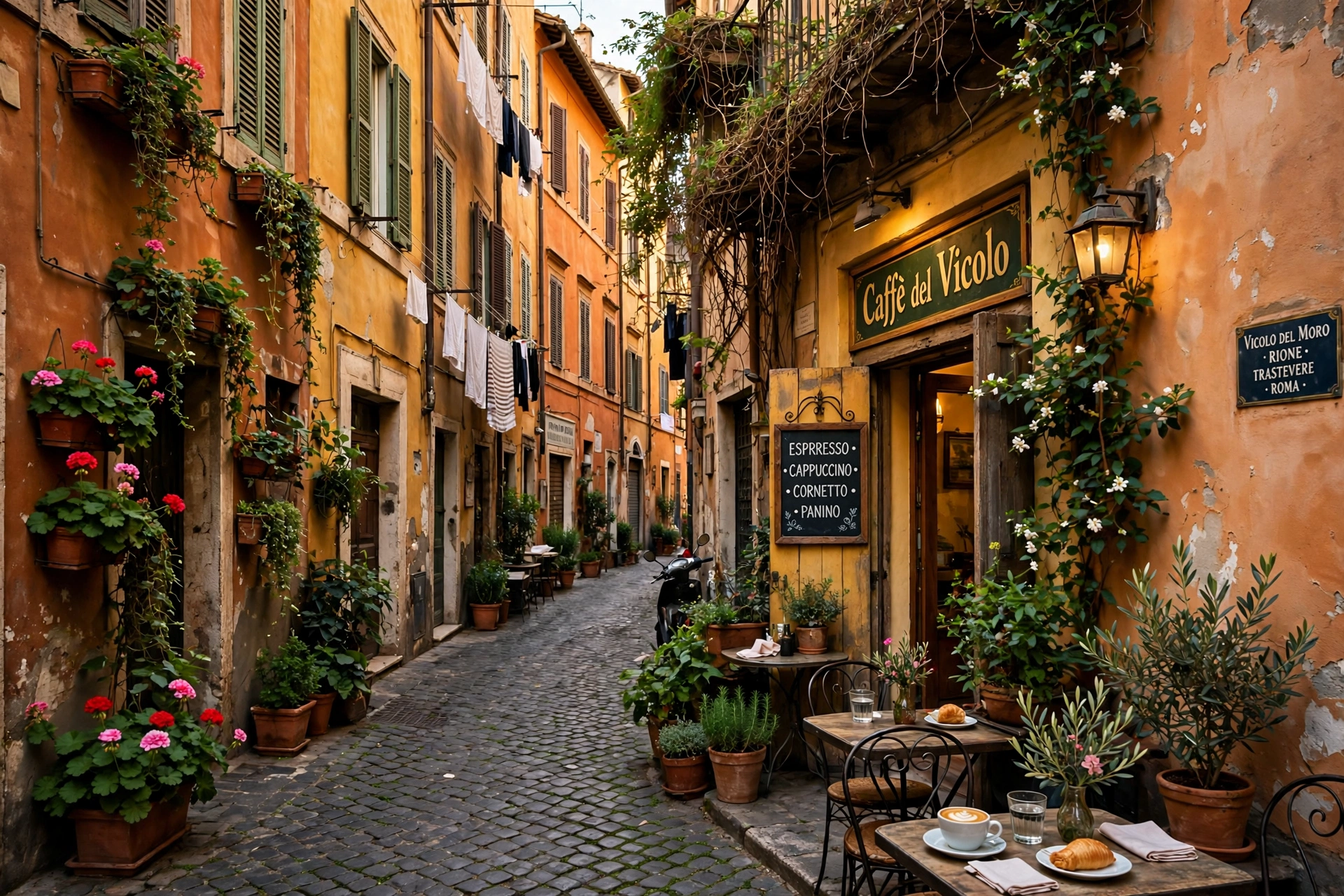
After the ancient centre, cross the river to Trastevere, the old working class neighbourhood on the west bank of the Tiber. Its narrow streets, small squares and old churches feel older than the grand monuments, because people have lived and worked here without interruption for two thousand years. The church of Santa Maria in Trastevere, with its golden mosaics, is one of the oldest churches in Rome. Sit in the square in front of it, order a coffee, and watch the neighbourhood go about its day. On the way back, walk through the Jewish Ghetto, one of the oldest Jewish communities in Europe. The Jews of Rome lived here for centuries, and the area still has its synagogue, its old streets and its food, including the famous artichokes fried in the Roman Jewish style. The Ghetto is a reminder that Rome was never only emperors and monuments. It was also a city of ordinary people, traders, craftsmen and families.
How to plan your walking day
Wear good shoes. The paving stones are uneven, and you will walk several kilometres. Start early, carry water, and take breaks in the shade. The Forum and the Colosseum need tickets, and it is better to book them in advance, especially in summer. The Palatine Hill and the Forum are usually visited on one ticket, so plan them together. Do not try to see everything in one day. Choose the Forum, the Colosseum, the Palatine and one old neighbourhood. The rest of Rome, the Pantheon, the baths, the catacombs and the museums, can wait for another day. Rome rewards slow walking, and the best moments often come from a side street you did not plan to take.
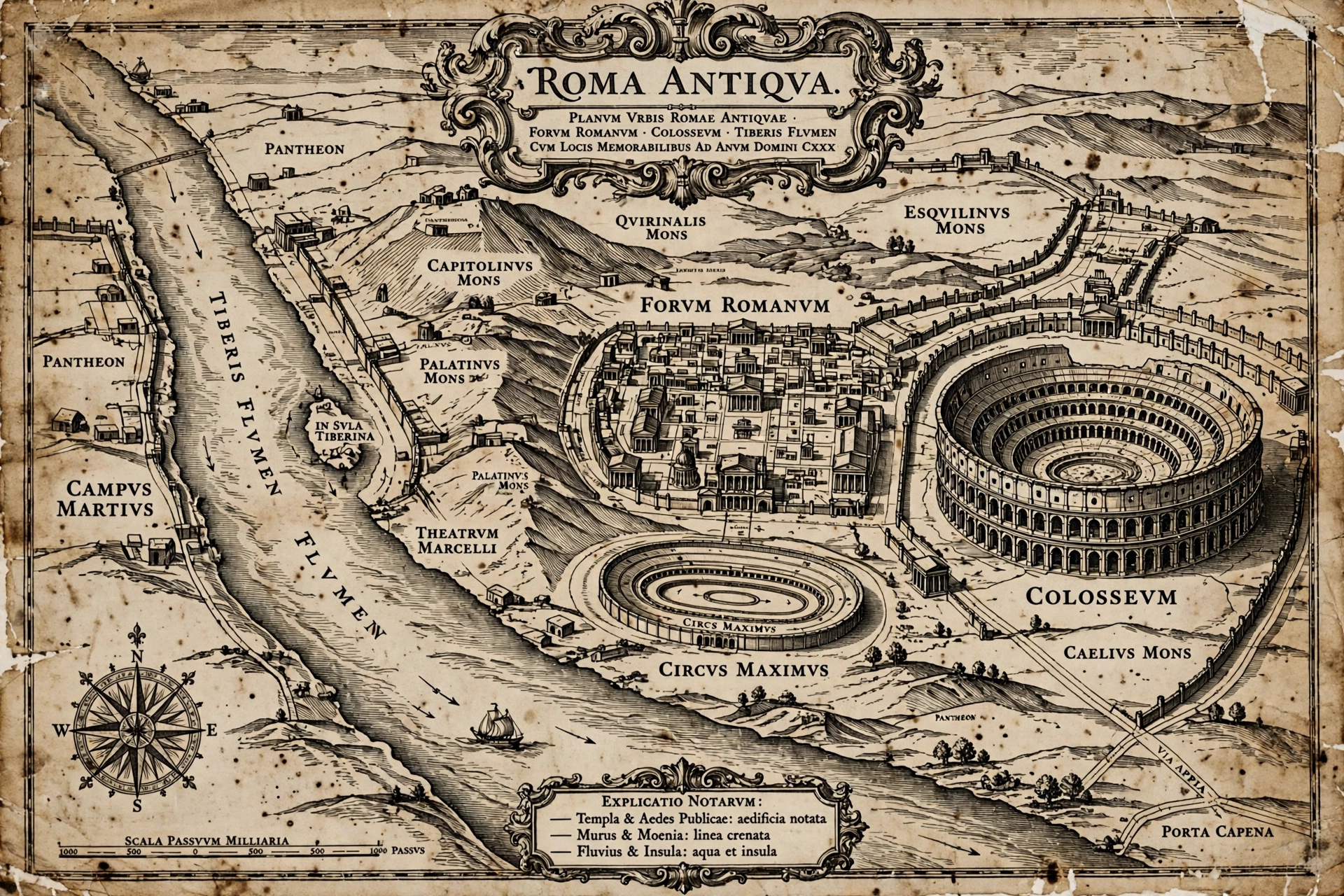
Conclusion
Walking through ancient Rome is walking through the history of Europe. The Forum was the centre of politics, the Colosseum was the centre of public life, the Palatine was the home of power, and the old neighbourhoods were the home of ordinary people. All of it is still there, in the same streets, within walking distance of each other. Put on good shoes, start early, and let the city show itself to you one step at a time.
Frequently asked questions
Q: Can I walk from the Forum to the Colosseum?
A: Yes. The Colosseum is a short walk from the Roman Forum, about ten minutes on foot along the Via dei Fori Imperiali, and the route is flat and easy.
Q: How long should I spend in the Forum and Colosseum?
A: Plan at least half a day for the Forum, Palatine Hill and Colosseum together. A full day is better if you want to walk slowly and visit the old neighbourhoods as well.
Q: Is Trastevere worth visiting?
A: Yes. Trastevere is one of the oldest lived in parts of Rome, with narrow streets, old churches and a local atmosphere that the grand monuments do not have.